













Department stores in the Nihonbashi and Ginza areas
Prioritising connecting people, Japanese tea, and beyond.

Which package did you choose?
What are some of your fond memories about Kumpu sencha?
The first Ippodo tea I bought was Kumpu sencha, which I gave to a special person who is much older and helped me a lot as an adult, as a way of showing my gratitude. She was born in May, so I was drawn to Kumpu’s name, which is a seasonal term in Japanese referring to the balmy breezes of May, as well as the product package, and decided to buy it for her. In fact, it was the name of the tea more than its taste that was the decisive factor.
She may have been surprised at the choice. Even now, I clearly remember how her face suddenly lit up, and she told me that Ippodo tea was excellent tea. And, today, after having gone to work for Ippodo and gained familiarity with the flavours of its different teas, I continue to feel that Kumpu was the right gift to give her.
How do you prepare it?
The standard way to prepare it—brewing it for 60 seconds with water at 80°—is, of course, delicious. That brings out its mild umami flavour and fragrance. Personally, I also like to brew it for 40 to 45 seconds with water at 90°, which draws out more of Kumpu’s refreshing taste and pleasantly sharp flavour.
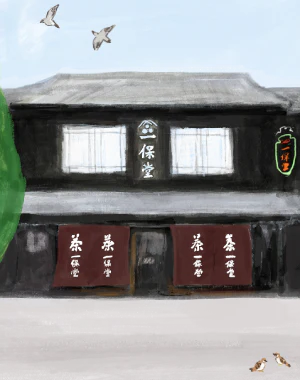
Kyoto Main Store
I’m a father-like presence, supporting staff at our main store.

Which package did you choose?
What are some of your fond memories about Kumpu sencha?
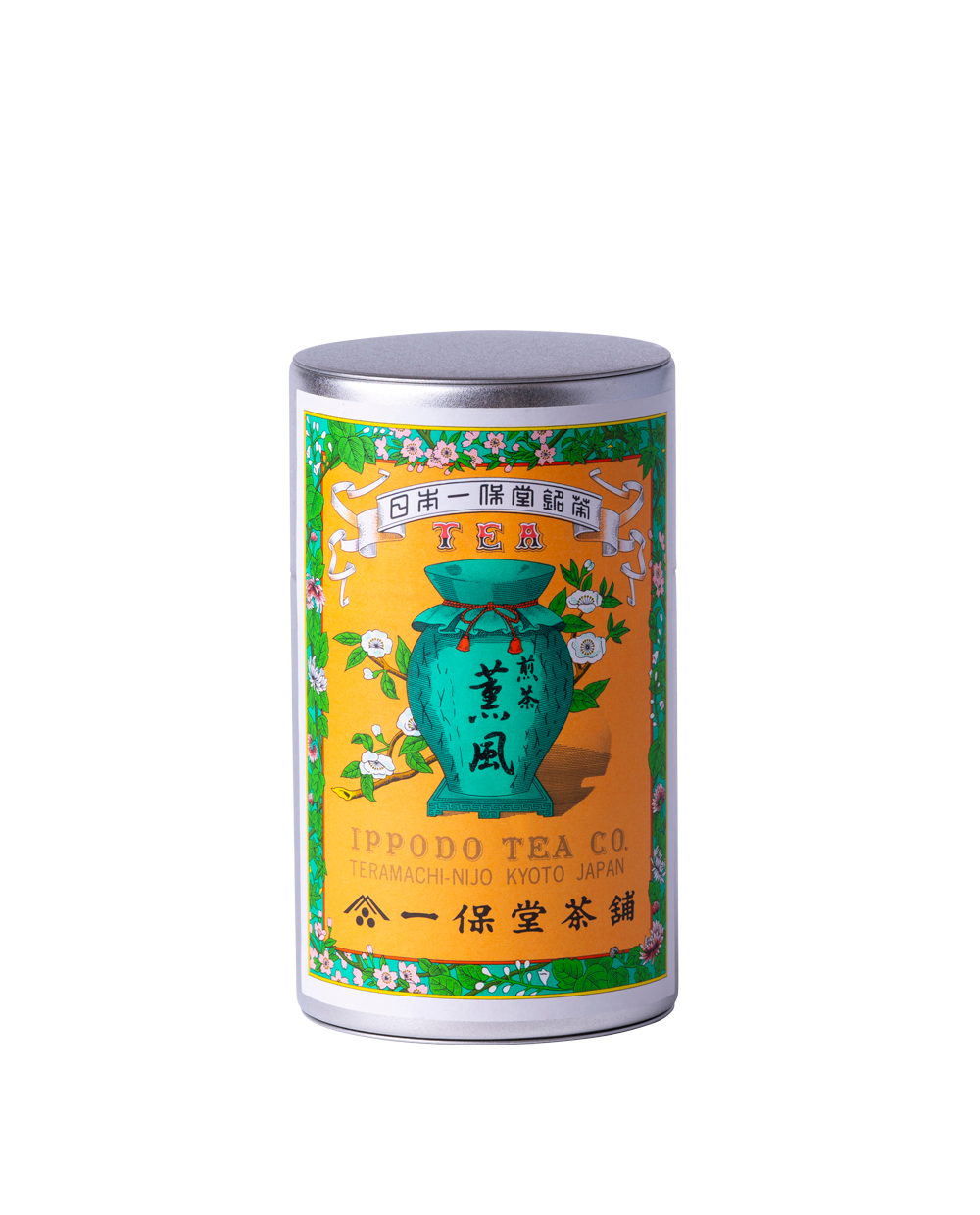
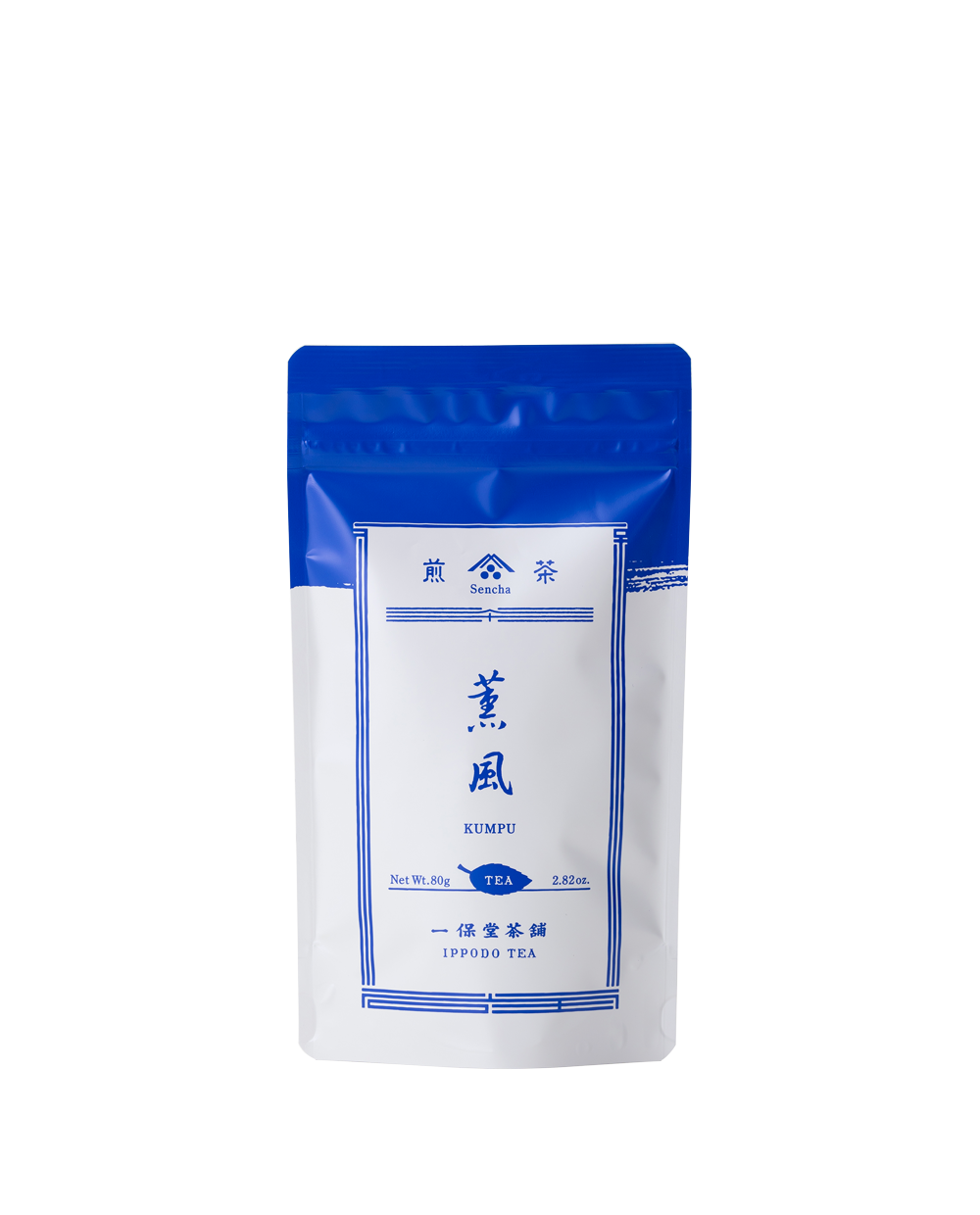
When I started working at Ippodo twenty-seven years ago, it was before we had Kaboku sencha, and Kumpu was Ippodo’s finest sencha. The packaging was also different from now, with all sencha tea sold in tubular bags, except for Kumpu, which came in a flat blue bag. I worked in the production department, and I remember having a hard time filling the flat bags. So, I ended up working on that part of the job for a long time, and got to smell the fragrance of Kumpu the most. The distinctive scent with mellow sweetness that wafted up from the tea leaves was a sencha befitting the name Kumpu—which is a Japanese term referring to the balmy breezes of May.
How do you prepare it?
Kumpu possesses a refined umami flavour. I prepare the first pot with lukewarm water, and savour the umami. But, when making subsequent pots using the same tea leaves, I choose the method of preparation that suits how I feel that day, for example, brewing it quickly with boiling hot water to enjoy a refreshing taste, or brewing it with chilled water in order to slowly savour Kumpu’s sweetness.
Kyoto Main Store Kaboku Tearoom
I love Japanese tea and sweets a lot, and delight in serving them to customers.

Which package did you choose?
What are some of your fond memories about Kumpu sencha?
The first time I had a chance to work with Kumpu sencha in earnest was in 2021 at the Kaboku Tearoom, when I was put in charge of coming up with a menu item in collaboration with the confectioner Ofudo using their butter sponge cake called Hohoemi Sando.
True to its name, Kumpu—which is a Japanese term referring to the balmy breezes of May—has a refreshing fragrance that brings to mind the fresh green of spring.
I was impressed by how it had the sweetness and linger tones characteristic of the finest sencha, and how it tasted delicious regardless of how you prepared it, despite the fact that its flavour changed significantly depending on how it was prepared.
I paired it with a sweet butter sponge cake, which was completely different from the wagashi that we usually served. Finding a method of preparation that would provide the right balance between the cake and Japanese tea was hard, so I was very happy when I came up with a way to prepare Kumpu that was just right. (I brewed 12g of Kumpu tea leaves for 45 seconds with 180ml of water at 80°.)
I was also elated when senior staff at Ippodo and customers told me it was superb, and that helped to boost my confidence.
How do you prepare it?
The way Kumpu tastes changes significantly depending on how you prepare it, and I prefer to put slightly more tea leaves in the tea pot than usual. Then, I fill a large cup to the brim with boiling hot water, and wait a bit before pouring that into the kyusu teapot. This gives the tea a refreshing taste, since it’s brewed using water that is a little on the hot side, but the aftertaste has a distinctively Kumpu-like sweetness.